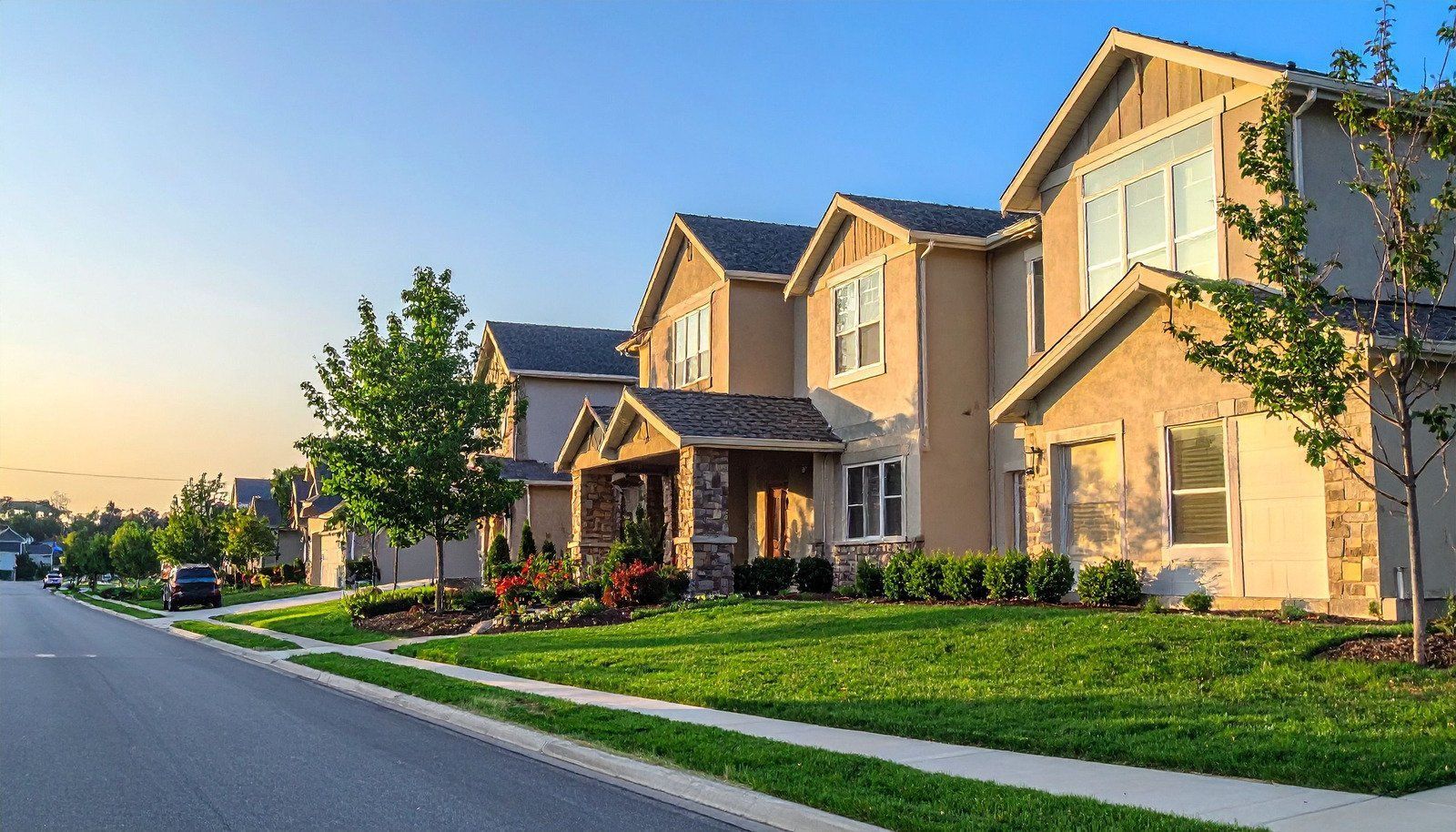
What Does Homeowners Insurance Do When a Storm Damages Your Roof?
Choosing the right commercial insurance is not a one-time administrative task. It is an ongoing part of running a responsible, resilient business. The right coverage mix depends on your industry, your operations, your legal obligations, and the financial risk you can realistically absorb. Starting with a thorough risk assessment, understanding the core and specialty coverages available, reading policy terms carefully, and working with knowledgeable professionals all contribute to a coverage strategy that actually holds up when you need it. As your business grows, your exposure changes. New employees, new locations, new contracts, and new services all introduce risks that your existing policies may not address. Reviewing your coverage at least annually, and whenever a significant business change occurs, ensures you remain adequately protected.
At Alekco Insurance, we have spent 15
years helping businesses across Ames, Iowa, and beyond navigate the complexities of commercial insurance with clarity and confidence. We operate as an independent insurance broker, which means we work for our clients, not for any single carrier. Our approach begins with understanding your business from the inside out, mapping your actual risk exposure before we ever recommend a policy. We place coverage across a wide range of commercial lines including general liability, professional liability, commercial property, workers' compensation, cyber liability, and more. When claims arise, we stand beside our clients through every step of the process. Business owners who work with us tell us they finally feel like someone is looking out for their interests rather than selling them a product. If your current coverage leaves you uncertain, we are ready to review it honestly and tell you exactly where you stand.
Experienced Advisors Committed to Your Commercial Coverage Success
What does liability coverage cover on an auto policy?
It covers the damage and injuries you cause to other people when you're at fault in an accident. It generally has two parts: bodily injury liability (others' injuries) and property damage liability (others' property, like their vehicle). It's the required foundation of an auto policy, protecting you financially from your responsibility to others on the road, up to your policy's limits.
Does liability cover my own car?
No, this is the most common misunderstanding. Liability covers damage you cause to others' property, not your own vehicle. If you're at fault, your liability handles the other party's car, not yours. Coverage for your own car comes from separate coverages (commonly collision and other-than-collision coverage). Having liability alone does not mean your own vehicle is covered after an accident.
Does liability cover my own injuries?
No. Liability covers injuries you cause to other people, not your own medical costs. Coverage for your own injuries comes from separate coverage types (such as medical payments or personal injury protection, depending on the policy and where you live). Like your own vehicle, your own injuries require coverages beyond liability, which is part of why policies include more than just liability.
What are the two parts of liability coverage?
Bodily injury liability and property damage liability. Bodily injury liability covers injuries you cause to other people (the other driver, passengers, pedestrians) in an at-fault accident. Property damage liability covers damage you cause to others' property, most often their vehicle, but also things like fences or buildings. Together they cover the injuries and property damage you cause to others when you're at fault.
Why is liability required but it doesn't cover me?
Because liability exists to cover your responsibility to others, the harm you might cause them, which is why it's typically required to drive. It's outward-facing by design. Protecting yourself and your own vehicle is the purpose of other, separate coverages you can carry. So liability being required ensures others are covered when you're at fault; covering yourself is a separate choice through additional coverages.
If I only have liability, am I covered in an accident?
Only for the harm you cause others when you're at fault, not for your own vehicle or injuries. With liability alone, an at-fault accident would leave your own car repairs and your own injuries uncovered by that policy. That's why many drivers carry additional coverages. Understanding this gap is important, "I have liability" is not the same as "I'm covered for everything."
How do I know what my policy actually covers?
Review it with a licensed insurance agent. Because requirements, limits, and the specific coverages on your policy depend on your situation and your state, an agent can explain exactly what your liability limits are, what other coverages you have or don't, and what your overall protection looks like. This article explains liability in general terms; for your specific policy and decisions, an agent who can look at your situation is the right resource.
Frequently Asked Questions
QUICKANSWER: When a covered storm damages your roof, a homeowners policy generally pays to repair or replace the damaged part of the dwelling, after you pay your deductible. The process starts when you report the loss, continues with an adjuster inspection and a written estimate, and ends with payment that may arrive in stages. Wind and hail are commonly covered causes of loss, while wear, age and poor maintenance usually are not. How much you receive depends on your deductible, whether the policy pays replacement cost or actual cash value, and any roof specific terms written into your policy.
The storm passed an hour ago. The sky is clear, the gutters are still dripping, and you are standing in the yard looking up at a section of shingles that is no longer lying flat. Maybe a neighbor mentions hail the size of quarters. Maybe a branch is resting on the garage. Either way, a quiet question forms in the back of your mind: will my homeowners insurance actually do something about this?
The honest answer is that it depends on what caused the damage, what your policy says, and how the claim is handled from the first phone call forward. This article walks through the full sequence in plain language, so you know what to expect before you ever need it.
What Part of the Policy Responds to a Damaged Roof
Your roof is part of the house itself, so it falls under the dwelling coverage of a homeowners policy. This is the portion that protects the structure, including the roof, siding, attached garage and similar parts of the building. When a covered event damages the roof, the dwelling coverage is the section that responds.
Most standard homeowners policies cover damage from named or listed causes, and wind, hail, lightning and falling objects are the ones that matter most after a storm. If a tree limb crashes through the roof, the damage to the roof is typically covered, and so is the cost of removing the tree from the structure in many policies, though limits on debris removal can apply. Interior water damage that follows a storm opening in the roof is often covered as well, since the water entered through a covered storm damage point.
What a policy generally does not cover is just as important. Wear and tear, gradual deterioration, rot and damage from neglected maintenance are normally excluded. A roof that was already leaking from age before the storm is treated differently from a roof that was sound until the hail arrived. Adjusters look closely at this difference, which is why the condition of the roof before the storm matters so much to the outcome.
Why Central Iowa Roofs Face Real Storm Exposure
Iowa sits in a part of the country where severe weather is a regular feature of the calendar. Spring brings hail and thunderstorm winds, summer brings fast moving storm lines, and the August 2020 derecho showed many central Iowa homeowners how a single wind event can affect thousands of roofs across Story County and beyond.
Because of this, insurers who write policies in the region pay close attention to roof age, material and condition. Homeowners in Ames, Ankeny, Boone and Nevada often hear about roof specific policy language for exactly this reason. Understanding that language before a storm is far easier than learning it afterward.
Step One: Protect the Home and Report the Loss
The first priority after a storm is safety. Stay off a damaged roof, stay clear of downed power lines and do not enter rooms with sagging ceilings. Once everyone is safe, two things matter right away.
First, take reasonable steps to prevent further damage. Most homeowners policies expect you to protect the property from additional harm, such as covering an opening with a tarp. Ask your insurer or broker what they expect when you report the loss, and keep receipts for any temporary materials or emergency work.
Second, report the loss promptly. Claim deadlines vary by policy and by insurer, so waiting is a gamble. After a large storm, adjusters become busy, and it also becomes harder to connect specific damage to a specific weather event as time passes. When you call, expect questions about the type of storm, the date and time it happened, and a summary of what you see.
Tip: Before anything is moved or cleaned up, take photos and short videos of the roof, the yard, the gutters and any interior water marks. Date stamped images taken right after the storm give your adjuster a clear record to work from.
Step Two: The Adjuster Visit
After a claim is filed, the insurer assigns an adjuster whose job is to inspect the damage, decide what is covered and prepare an estimate. For roof claims, the adjuster usually climbs the roof or uses other methods to look at shingles, flashing, vents and gutters. They are looking for signs of storm damage, such as creased or missing shingles from wind, and bruising or granule loss from hail, and they note the age and general condition of the roof.
You are welcome to be present for the inspection, and it often helps. You can point out areas you noticed, ask what the adjuster is seeing and learn how they plan to describe the damage in the estimate. Keep your own notes of the date, the adjuster's name and anything said about the scope of repairs.
Roof damage is not always uniform. Some storms damage one slope and leave the rest alone. Others affect the whole roof. The estimate reflects what the adjuster determines to be storm related, and the difference between repairing a section and replacing the entire roof is one of the most common sources of questions in a roof claim. Matching is a part of this. If new shingles cannot reasonably match the existing ones, the policy language and the insurer's practices determine how that is handled.
Step Three: Understanding the Estimate and the Deductible
Once the inspection is complete, you receive an estimate describing the scope of the damage and the amount the insurer calculates for the repair. From that amount, your deductible is subtracted. The deductible is the portion of the loss you pay yourself, and it applies before the insurer's payment begins.
Deductibles on homeowners policies come in different forms. Some are a flat amount for all covered losses. Others apply a separate deductible to wind or hail, and some of those are written as a percentage of the home's insured value instead of a set amount. If your policy has a separate wind or hail deductible, it is worth knowing that ahead of time, since it changes what you pay out of pocket after a storm. Your declarations page, which is the summary at the front of your policy, lists the deductibles that apply.
One more note belongs here. Roofing contractors in some storm affected areas advertise that they will cover or waive your deductible. Iowa law treats this as a serious problem, and a storm repair contract can be void when a contractor offers to rebate part of the deductible. The deductible is yours to pay, and any offer that suggests otherwise deserves a pause and a call to your insurer.
Replacement Cost and Actual Cash Value on a Roof
This is the part of a roof claim that surprises people most. Policies pay for roof damage using one of two approaches.
Replacement cost pays to repair or replace the damaged roof with materials of similar kind and quality, minus the deductible. It does not subtract depreciation for the age of the old roof.
Actual cash value pays the depreciated value of the roof at the time of the loss. In practical terms, the insurer starts with what it would cost to replace the roof and then subtracts depreciation based on the roof's age and condition. The older the roof, the larger the reduction. You are left to cover the difference, along with the deductible.
Some policies also include a roof endorsement that changes how the roof is paid, for example by switching a roof from replacement cost to actual cash value, or by applying a set depreciation schedule based on the age and material of the roof. This is why two neighbors with similar storm damage can receive very different payments. Reading the roof language in your policy now is much easier than interpreting it in the middle of a claim.
Warning: A roof that was fine for years can still be paid at a reduced value if the policy uses actual cash value or a roof endorsement. Check how your policy pays for the roof before a storm, not after.
How Payment Usually Arrives
On many roof claims, payment comes in more than one step. If the policy pays actual cash value first and replacement cost later, the initial payment reflects the depreciated amount. The remaining portion, called recoverable depreciation, is typically released after the work is completed and documented, often with invoices or proof of completion.
If a mortgage is on the home, the lender is usually named on the claim payment. That can mean the check requires an endorsement from both you and the lender, or that funds are released in stages as repairs progress. This is a normal feature of mortgaged properties and is worth asking about early so nothing delays the repair.
Keep a simple folder with the claim number, estimates, photos, receipts, emails and notes from every phone call. A tidy record makes it easier to compare what was paid against what the repair actually requires.
Choosing the right commercial insurance is not a one-time administrative task. It is an ongoing part of running a responsible, resilient business. The right coverage mix depends on your industry, your operations, your legal obligations, and the financial risk you can realistically absorb. Starting with a thorough risk assessment, understanding the core and specialty coverages available, reading policy terms carefully, and working with knowledgeable professionals all contribute to a coverage strategy that actually holds up when you need it. As your business grows, your exposure changes. New employees, new locations, new contracts, and new services all introduce risks that your existing policies may not address. Reviewing your coverage at least annually, and whenever a significant business change occurs, ensures you remain adequately protected.
At Alekco Insurance, we have spent 15
years helping businesses across Ames, Iowa, and beyond navigate the complexities of commercial insurance with clarity and confidence. We operate as an independent insurance broker, which means we work for our clients, not for any single carrier. Our approach begins with understanding your business from the inside out, mapping your actual risk exposure before we ever recommend a policy. We place coverage across a wide range of commercial lines including general liability, professional liability, commercial property, workers' compensation, cyber liability, and more. When claims arise, we stand beside our clients through every step of the process. Business owners who work with us tell us they finally feel like someone is looking out for their interests rather than selling them a product. If your current coverage leaves you uncertain, we are ready to review it honestly and tell you exactly where you stand.
Experienced Advisors Committed to Your Commercial Coverage Success
What Liability Coverage Is
Liability coverage is the part of your auto policy that covers what you're legally responsible for, the damage and injury you cause to others, when you're at fault in an accident.
The idea is simple: if you cause an accident, you're generally responsible for the harm you caused to other people, their injuries and their damaged property. Liability coverage is what responds to that, helping cover those costs on your behalf (up to your policy's limits). It's essentially the coverage that protects you financially from the responsibility you bear to others when an accident is your fault. That's why it's the core, required part of an auto policy in most places, it addresses the harm you might cause to others on the road.
The critical thing to grasp is the direction of the coverage: liability covers harm you cause to others, not harm to yourself or your own property. It's "outward-facing." This is the most common point of confusion, people sometimes assume their liability coverage will fix their own car after an accident, but that's not what it's for. Understanding that liability is about your responsibility to others is the foundation for understanding the rest of your policy, because the other coverages exist to fill in what liability doesn't.
Choosing a Contractor and Reviewing the Scope
After a big storm, door knockers and unsolicited offers tend to appear quickly. A careful approach protects you. Ask for credentials and references, verify that the contractor is registered and insured, and do not sign a repair agreement until you have discussed the estimate with your adjuster or broker.
When you compare the adjuster's estimate with a contractor's bid, differences are common. A contractor may include items the adjuster did not, such as additional flashing, code related work or underlayment in particular areas. If the numbers do not line up, the usual path is to share the contractor's documentation with the insurer and ask for a review. If you believe the settlement is inadequate because you have found more damage, you can ask for a second inspection.
When You Disagree With the Outcome
Not every claim ends the way a homeowner expects. If your claim is denied in whole or in part, ask for the reason in writing and compare it with the language of your policy. Often the cause is a disagreement about whether the damage came from the storm or from age. Provide additional photos, records of past maintenance or a contractor's written assessment if you have them.
Iowans who believe a wind or tornado claim is not being handled properly can also file a complaint with the Iowa Insurance Division. That option exists so policyholders have somewhere to turn if ordinary conversations do not resolve the problem.
Frequently Asked Questions
Does homeowners insurance cover hail damage to a roof?
In most standard policies, hail is a covered cause of loss for the roof. Coverage depends on the actual damage, the policy terms and any separate hail or wind deductible. Cosmetic marks that do not affect how the roof performs may be treated differently depending on the policy language.
How soon should I report storm damage to my roof?
As soon as it is safe to do so. Deadlines vary by policy, and delays can make it harder to link the damage to a specific storm. Reporting early also lets you ask what temporary repairs the insurer expects.
Will insurance pay for a whole new roof?
Sometimes, but not always. The adjuster decides how much of the roof was damaged by the storm. Some claims result in repair of a section, while others support full replacement. Your policy language on matching and on roof payment terms plays a large role.
What is the difference between replacement cost and actual cash value for a roof?
Replacement cost pays to repair or replace the roof with similar materials without subtracting depreciation. Actual cash value subtracts depreciation based on the roof's age and condition, so the payment can be lower, and you cover the difference.
Do I pay my deductible if the roof damage is covered?
Yes. The deductible is subtracted from the covered loss before the insurer pays. Some policies have a separate wind or hail deductible, often shown as a percentage, so check your declarations page.
Should I sign a contract with a roofer before the adjuster visits?
It is wiser to wait. Review the estimate with your adjuster or broker first, confirm the contractor's credentials and make sure you understand what the insurer has agreed to pay.
Learn Your Policy Before the Storm
A damaged roof after a storm feels urgent, but the process is more orderly than it first appears. You protect the home, report the loss, document the damage, meet the adjuster, review the estimate, and watch how the deductible and depreciation shape the payment. Each of those steps is far easier when you already know how your own policy treats the roof, from the wind and hail deductible to whether it pays replacement cost or actual cash value.
The best time to learn those details is a calm afternoon, not the day after hail. Alekco Insurance
has spent 15
years helping homeowners in Ames, IA read their declarations page and understand their roof language before the weather turns. A storm claim that goes smoothly is rarely luck. It usually comes from a homeowner who knew, long before the first shingle lifted, exactly how their coverage was written to respond.