How to Choose the Right Commercial Insurance for Your Business Needs?
Running a business means managing risk every single day. Whether you operate a small retail shop, a mid-sized construction firm, or a growing service company, unexpected events can derail operations, drain finances, and expose you to serious legal liability. Commercial insurance exists to absorb those shocks, but selecting the right coverage is rarely straightforward. Policies vary widely in scope, exclusions, and structure, and the wrong choice can leave critical gaps when you need protection the most. Understanding what commercial insurance actually does, and how it maps to your specific business model, is the foundation of any sound risk management strategy.
The challenge most business owners face is not a lack of options but an overabundance of them. General liability, professional liability, commercial property, workers' compensation, cyber liability, and business interruption coverage are just a few of the categories worth considering. Each addresses a different dimension of risk, and most businesses need a combination rather than a single policy. Making informed decisions about which coverages to carry, at what limits, and through which carrier requires clarity about your industry, operations, your customer base, and your legal obligations. This guide breaks down the process so you can approach those decisions with confidence.
Understand Your Business Risk Profile Before Buying Any Policy
The single most common mistake businesses make when purchasing commercial insurance is choosing coverage based on general recommendations rather than their actual risk exposure. Before comparing policies or working with a broker, you need to conduct an honest assessment of where your business is vulnerable.
What to Evaluate in a Risk Assessment
Start by mapping your operations from end to end. Ask yourself where liability could arise, what physical assets you own or lease, whether employees interact with customers directly, and whether you handle sensitive data or intellectual property. A landscaping company faces physical injury risk and equipment loss. A consulting firm faces professional liability and data breach exposure. A restaurant faces both, plus food safety and liquor liability depending on the license it holds. These are fundamentally different risk profiles that demand different coverage structures.
Also consider contractual obligations. Many commercial leases, vendor agreements, and client contracts require specific types and limits of insurance before you can legally operate or sign. Failing to review these requirements early often means scrambling to adjust coverage after the fact, sometimes at less favorable terms.
The Core Commercial Insurance Coverages You Should Know
Not all business insurance policies are created equal, and understanding the function of each major coverage type helps you avoid both over-insuring in areas of low risk and under-insuring in areas of high exposure.
- General Liability Insurance:- This is the baseline for most businesses. General liability covers bodily injury and property damage claims that arise from your business operations, products, or premises. If a customer slips and falls at your location, or if your work damages a client's property, general liability steps in. Most businesses need this coverage regardless of size or industry.
- Professional Liability Insurance:- Also called errors and omissions insurance, this coverage protects businesses that provide professional services or advice. If a client claims your work caused them financial harm, professional liability covers legal defense and settlements. This is particularly critical for consultants, architects, accountants, IT professionals, and healthcare providers.
- Commercial Property Insurance:- If you own or lease physical space, or if your business holds significant equipment, inventory, or furniture, commercial property insurance protects those assets against damage from fire, theft, vandalism, and certain natural events. Importantly, standard commercial property policies often exclude flood and earthquake damage, so businesses in high-risk geographic zones need to account for those separately.
- Workers' Compensation Insurance:- In most states, workers' compensation is legally required the moment you hire your first employee. It covers medical treatment and lost wages for employees who are injured on the job. Beyond the legal obligation, it also protects your business from lawsuits related to workplace injuries. Skipping this coverage or letting it lapse is one of the more serious compliance risks small business owners face.
- Business Interruption Insurance:- This coverage is often overlooked until it becomes urgently relevant. Business interruption insurance replaces lost income if your operations are forced to shut down due to a covered event such as a fire or storm damage. Without it, a temporary closure can cascade into permanent closure if fixed expenses continue while revenue stops.
Industry-Specific Coverages That Many Businesses Miss
Beyond the core policies, many industries require or strongly benefit from coverages that fall outside standard packages.
Cyber Liability Insurance
Data breaches are not limited to large corporations. Small and mid-sized businesses are frequent targets precisely because they often have weaker security infrastructure. Cyber liability insurance covers notification costs, legal fees, regulatory fines, and business losses stemming from a data breach or ransomware attack. If your business collects customer payment information, stores personal records, or uses cloud-based systems, this coverage deserves serious consideration.
Commercial Auto Insurance
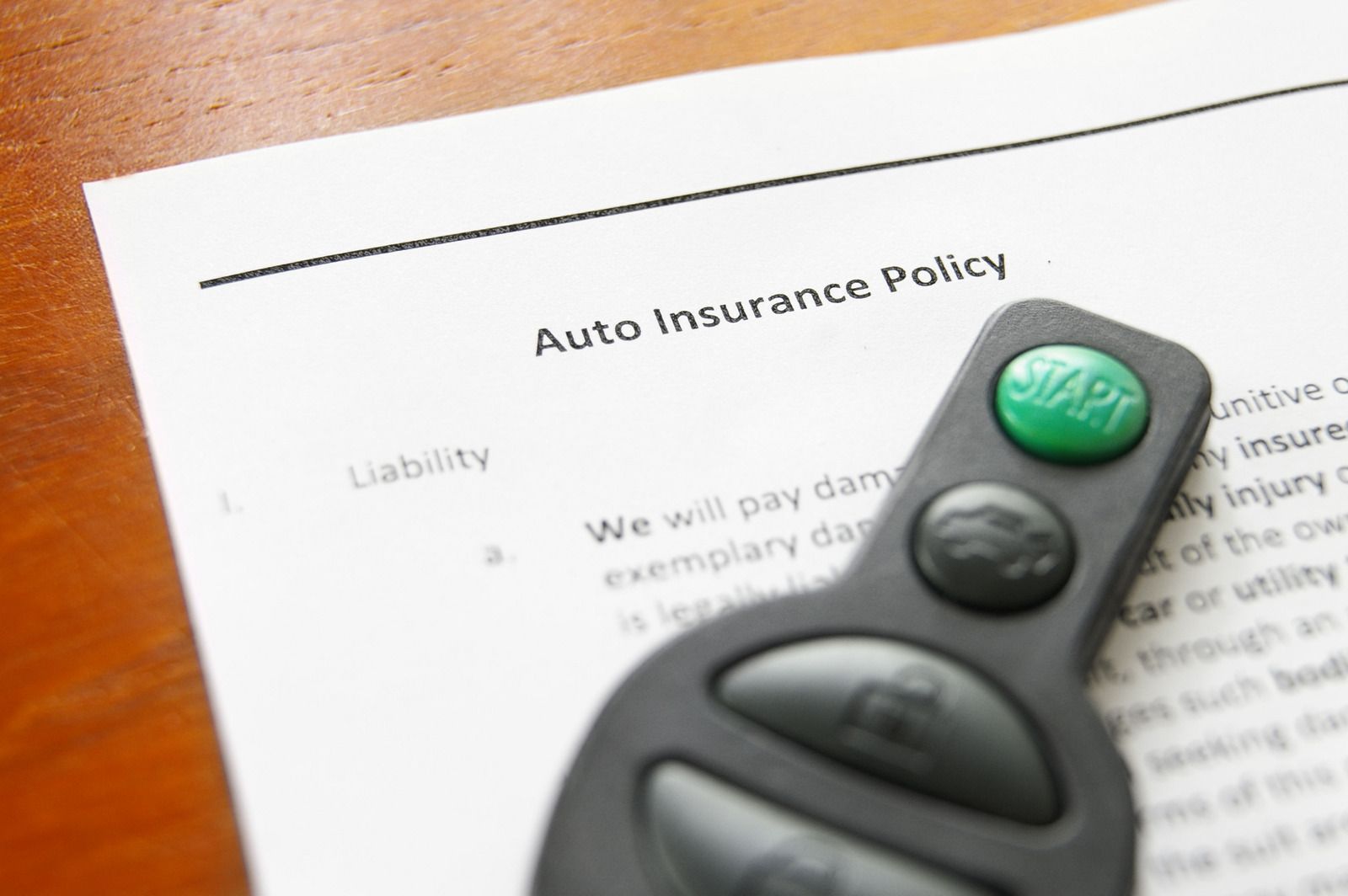
Personal auto policies do not cover vehicles used for business purposes. If your employees drive company vehicles or use their personal vehicles for deliveries, client visits, or job site travel, you need commercial auto coverage. A single accident without it can expose your business to claims that far exceed personal policy limits.
Umbrella and Excess Liability Policies
Even well-structured base policies have limits. An umbrella policy extends those limits across multiple underlying coverages for situations where a single claim exceeds what your primary policies can handle. This is particularly valuable for businesses with significant public exposure or high-value contracts.
How to Evaluate Insurance Carriers and Policy Terms
Choosing coverage is only half the work. Choosing the right carrier and understanding the actual terms of your policy is equally important.
Financial Strength and Claims History
An insurance policy is only as reliable as the company standing behind it. Look for carriers with strong financial strength ratings from organizations like AM Best or Standard and Poors. A carrier that cannot pay claims is no coverage at all. Additionally, research how carriers handle claims in your industry. A carrier that is slow, adversarial, or known for denying legitimate claims creates real operational risk.
Reading the Exclusions Carefully
Every policy has exclusions, and they are rarely highlighted in sales conversations. Common exclusions in general liability policies include intentional acts, contractual liability assumed beyond what is typical, and damage to property in your care or custody. Professional liability exclusions often cover prior known claims or circumstances. Before signing, have a broker walk you through each exclusion and assess whether it creates a gap you need to address with a separate policy or endorsement.
Policy Limits and Deductibles
Higher limits provide more protection but affect your premiums. Higher deductibles reduce premiums but increase your out-of-pocket exposure in a claim. Finding the right balance requires an honest look at your cash reserves and your realistic worst-case scenarios. A business with thin cash reserves should avoid high deductibles even if the premium savings are tempting.
Working With a Broker Versus Buying Direct
Many business owners wonder whether to work with an independent insurance broker or purchase policies directly through a carrier's website or app.
- The Case for an Independent Broker:- Independent brokers are not tied to a single carrier. They can access policies from multiple markets, compare terms side by side, and advocate for you during claims. For businesses with complex or layered risk, a broker's expertise in structuring coverage often more than justifies the relationship. A good broker also monitors your coverage as your business grows and flags gaps before they become claims.
- When Direct Purchase Makes Sense:- For very simple, low-risk businesses with straightforward operations, purchasing directly through a carrier's platform can be faster and more transparent. However, even in these cases, a brief consultation with a broker to confirm the coverage is appropriate and complete is worth the time.
Experienced Advisors Committed to Your Commercial Coverage Success
Choosing the right commercial insurance is not a one-time administrative task. It is an ongoing part of running a responsible, resilient business. The right coverage mix depends on your industry, your operations, your legal obligations, and the financial risk you can realistically absorb. Starting with a thorough risk assessment, understanding the core and specialty coverages available, reading policy terms carefully, and working with knowledgeable professionals all contribute to a coverage strategy that actually holds up when you need it. As your business grows, your exposure changes. New employees, new locations, new contracts, and new services all introduce risks that your existing policies may not address. Reviewing your coverage at least annually, and whenever a significant business change occurs, ensures you remain adequately protected.
At Alekco Insurance, we have spent 15
years helping businesses across Ames, Iowa, and beyond navigate the complexities of commercial insurance with clarity and confidence. We operate as an independent insurance broker, which means we work for our clients, not for any single carrier. Our approach begins with understanding your business from the inside out, mapping your actual risk exposure before we ever recommend a policy. We place coverage across a wide range of commercial lines including general liability, professional liability, commercial property, workers' compensation, cyber liability, and more. When claims arise, we stand beside our clients through every step of the process. Business owners who work with us tell us they finally feel like someone is looking out for their interests rather than selling them a product. If your current coverage leaves you uncertain, we are ready to review it honestly and tell you exactly where you stand.
FAQs
Q1. What is the difference between general liability and professional liability insurance?
General liability covers physical risks such as bodily injury and property damage arising from your operations. Professional liability, also called errors and omissions insurance, covers financial harm a client claims resulted from your professional advice, services, or failure to deliver on a contract.
Q2. Is commercial insurance legally required for all businesses?
Not all types are universally required, but workers' compensation is mandatory in most states once you have employees. Certain industries and contract types also require specific coverages. Checking your state regulations and reviewing any contracts you sign will reveal your specific legal obligations.
Q3. How do I know how much coverage my business actually needs?
Coverage needs depend on the size of your operations, the nature of your work, your contractual obligations, and the financial risk you can absorb. A broker can conduct a risk assessment and recommend appropriate limits based on your specific situation rather than generic averages.
Q4. Does my business need cyber liability insurance if I am a small operation?
Small businesses are frequently targeted in cyberattacks because they often have less security infrastructure. If you store customer data, accept digital payments, or use cloud-based software, cyber liability coverage is worth serious consideration regardless of your size.
Q5. How often should I review my commercial insurance coverage?
You should review your coverage at least once a year and whenever a significant change occurs in your business, such as hiring employees, adding a location, taking on new contracts, or expanding into new services. Your coverage should grow and shift alongside your business.