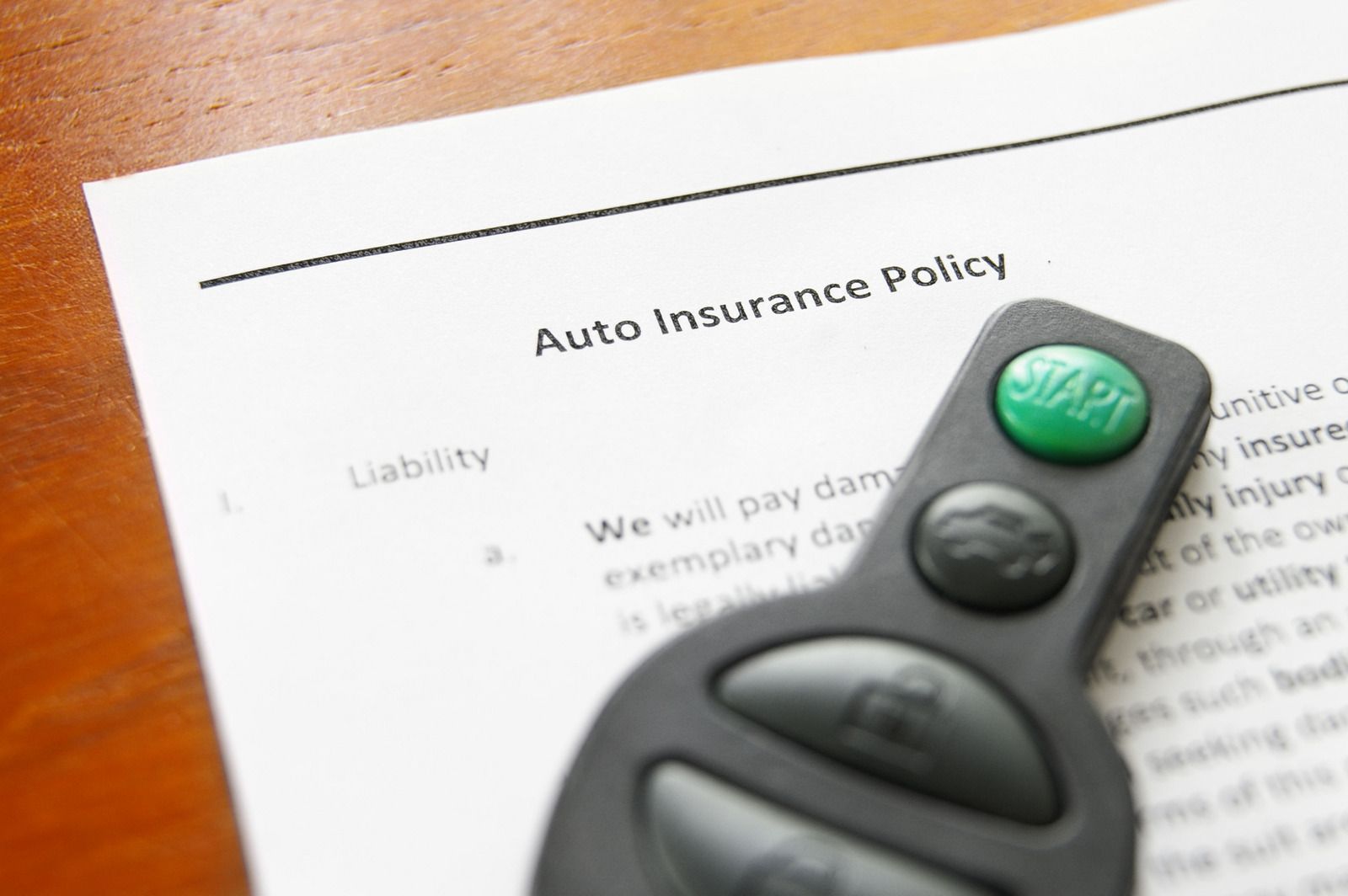
Choosing the Right Auto Insurance Plan for Your Vehicle and Lifestyle
Choosing the right auto insurance plan is one of the most important financial decisions for any vehicle owner. With rising repair costs, increasing accident risks, and evolving policy structures, selecting appropriate coverage is no longer optional but essential for long-term financial protection. A well-designed auto insurance plan not only safeguards the vehicle but also protects against liability, medical expenses, and unexpected road incidents that can disrupt both personal and professional life.
In today’s dynamic insurance market, policy options vary widely in terms of coverage limits, deductibles, add-ons, and premium structures. This complexity often makes it challenging for individuals to identify what truly aligns with their driving habits, budget, and lifestyle needs. Whether it is daily commuting in high-traffic areas, long-distance travel, or occasional vehicle use, each scenario demands a tailored insurance approach. Understanding these differences is critical to avoid overpaying or underinsuring the vehicle.
A structured evaluation of risk exposure, coverage benefits, and policy flexibility enables smarter decision-making. When the right plan is chosen, it delivers peace of mind, financial stability, and reliable support during emergencies. This blog explores how to evaluate auto insurance options effectively and align them with both vehicle requirements and lifestyle patterns for maximum value and protection.
1. Understanding Auto Insurance Fundamentals
Types of Coverage and Their Purpose
Auto insurance coverage generally includes third-party liability, collision protection, comprehensive coverage, and personal injury benefits. Each type serves a distinct role in financial protection during accidents or unexpected events. Liability covers damage caused to others, while collision handles vehicle repairs. Comprehensive protection extends to theft, fire, and natural disasters, ensuring broader security for vehicle owners overall protection coverage needs consistently reliable.
Why Coverage Structure Matters
Selecting the right structure ensures balanced protection without unnecessary expenses. Over-insurance increases premium costs, while under-insurance creates financial vulnerability during unexpected incidents. A well-planned policy aligns coverage with actual driving exposure and personal requirements. Proper structuring helps maintain affordability, reduces risk gaps, and ensures vehicle owners receive adequate protection without overspending on unnecessary features across varying conditions consistently reliable.
2. Evaluating Vehicle-Specific Insurance Needs
Vehicle Age and Market Value
New vehicles require comprehensive insurance due to high replacement costs, while older vehicles may benefit from liability-only or reduced coverage options. Depreciation significantly influences policy decisions, as market value decreases over time. Selecting coverage based on vehicle age ensures cost efficiency and avoids unnecessary premium expenses while maintaining adequate financial protection against potential loss situations long term planning needs.
Usage Patterns and Risk Exposure
Vehicles used daily in congested traffic face higher accident risk compared to those used occasionally. Increased mileage raises exposure to collisions, making broader insurance coverage more suitable. Low-usage vehicles may require minimal protection while still maintaining essential coverage. Understanding usage patterns helps align insurance plans with real driving behavior and overall risk exposure levels effectively with careful analysis results.
Safety Features and Insurance Impact
Modern vehicles equipped with ABS, airbags, and collision sensors often receive lower insurance premiums due to reduced risk profiles. Advanced safety systems decrease accident severity and improve passenger protection. Insurers consider these features when evaluating policies, rewarding safer vehicles with better pricing. Including safety technology in insurance planning helps optimize coverage value and overall cost efficiency policy optimization improved.
3. Aligning Insurance with Driving Lifestyle
Daily Commuters vs Occasional Drivers
Daily commuters require broader coverage due to frequent exposure to road risks such as traffic congestion, minor collisions, and liability concerns. Occasional drivers may opt for limited yet essential protection plans that reduce premium costs. Choosing coverage based on driving frequency ensures better financial planning, risk management, and alignment with actual usage patterns and safety needs overall stability improved.
Long-Distance and Highway Driving
Frequent highway driving increases exposure to high-speed risks, making comprehensive collision and medical coverage more important. Roadside assistance and emergency support become valuable additions for long journeys. Insurance plans designed for long-distance travel offer stronger protection against severe accidents and breakdown situations. Selecting appropriate coverage ensures safety, financial security, and uninterrupted travel experiences across routes critical travel protection needs.
Urban vs Rural Driving Conditions
Urban driving involves congestion-related risks such as scratches, minor accidents, and theft incidents. Rural driving introduces challenges like poor road conditions, delayed emergency response, and limited service availability. Insurance plans must account for these environmental differences to ensure adequate protection. Proper evaluation of driving location helps optimize coverage selection and reduce unexpected financial burdens long term preparedness risk control.
4. Understanding Premiums, Deductibles, and Cost Balance
How Premiums Are Calculated
Insurance premiums are determined by vehicle type, driver history, geographic risk, and selected coverage levels. Higher-risk profiles typically result in increased premiums, while safe driving records help reduce costs. Insurers assess multiple factors to calculate fair pricing. Understanding these elements allows better decision-making and helps vehicle owners select policies that match their financial capacity effectively smart financial planning solutions.
Role of Deductibles in Policy Selection
Deductibles represent the amount paid out-of-pocket during a claim before insurance coverage activates. Higher deductibles reduce monthly premiums but increase immediate expenses during accidents. Lower deductibles increase premiums but reduce financial burden at claim time. Selecting the right deductible balance helps align affordability with risk tolerance and ensures smoother claim experiences for policyholders consistent coverage reliability improved outcomes.
Balancing Cost and Protection
An effective insurance strategy prioritizes long-term value rather than focusing solely on low premiums. The objective is to maintain sufficient coverage while avoiding unnecessary financial strain. Comparing multiple policies and analyzing benefits helps achieve a balanced approach. A well-structured plan ensures financial stability, adequate protection, and better preparedness for unexpected incidents on the road strong financial security improved results.
5. Importance of Add-Ons and Custom Coverage Options
Essential Add-On Covers
Add-on covers such as roadside assistance, engine protection, zero depreciation, and rental reimbursement enhance standard insurance policies. These features provide financial support in situations not included in basic coverage. Selecting relevant add-ons improves protection and reduces unexpected expenses. Proper evaluation ensures policyholders receive meaningful benefits while avoiding unnecessary additions that increase overall premium costs significantly value driven protection enhanced.
Customization Based on Risk Profile
Customization allows policyholders to tailor insurance according to driving habits and risk exposure levels. Frequent travelers may prioritize roadside assistance and collision coverage, while urban drivers focus on theft protection and zero depreciation benefits. Personalizing policies ensures better alignment with real-world needs, improving efficiency, reducing costs, and enhancing overall satisfaction with insurance planning decisions optimized protection planning improved.
Avoiding Over-Insurance
While add-ons improve protection, unnecessary additions can increase premiums without delivering real value. Evaluating actual driving needs helps avoid over-insurance and reduces financial waste. A focused approach ensures coverage remains efficient and relevant. Careful selection of benefits maintains affordability while still providing adequate protection against common risks encountered during everyday vehicle usage effectively strong cost efficiency control improved stability.
6. Common Mistakes and Best Practices in Policy Selection
Mistakes to Avoid
Many policyholders choose insurance based solely on low premiums without evaluating coverage depth or exclusions. Others ignore fine print, leading to claim rejections during critical situations. Failing to reassess policies annually can also result in outdated protection. Awareness of these mistakes helps improve decision-making, reduce financial risks, and ensure more reliable insurance outcomes overall better risk control improved.
Best Practices for Smart Selection
Comparing multiple insurers, reviewing policy terms carefully, and analyzing claim settlement ratios helps achieve better insurance decisions. Maintaining a clean driving record further supports lower premiums and improved benefits. Structured evaluation ensures balanced coverage selection aligned with financial goals. Consistent attention to policy details improves long-term value and reduces unnecessary insurance-related complications effectively enhanced planning results improved.
Importance of Regular Policy Review
Vehicle value, lifestyle changes, and driving habits evolve over time, making regular policy reviews essential for maintaining appropriate coverage. Adjusting insurance plans ensures alignment with current needs and avoids gaps in protection. Periodic evaluation helps optimize costs and benefits. Staying proactive with updates improves financial security and ensures continuous, reliable insurance performance over time sustainable protection planning improved stability.
Dependable Expertise Supporting Secure Driving Experiences
Selecting the right auto insurance plan requires a clear understanding of coverage types, personal driving habits, vehicle value, and financial priorities. A well-structured policy ensures protection against unexpected financial losses while maintaining affordability and flexibility. When insurance is aligned with real-world usage patterns, it becomes a reliable safety net rather than just a legal requirement. Evaluating deductibles, premiums, and add-ons carefully helps create a balanced plan that supports both short-term and long-term security.
It is equally important to avoid common mistakes such as under-insuring, ignoring policy terms, or selecting coverage solely based on cost. Instead, a strategic approach focused on value, risk exposure, and customization leads to stronger financial protection. Regular policy reviews further ensure that insurance coverage evolves with changing needs, vehicle conditions, and lifestyle shifts.
Alekco Insurance, based in Ames, Iowa, brings over 15
years of experience in guiding individuals and families toward well-structured
auto insurance solutions. With a strong focus on clarity, reliability, and client-centered service, we help simplify complex policy decisions and ensure every driver receives coverage that truly matches their needs. Our approach emphasizes practical risk assessment, transparent guidance, and long-term protection strategies designed to reduce financial uncertainty on the road. We understand that every driver’s situation is unique, and we work closely to identify plans that balance affordability with comprehensive protection. By prioritizing informed decision-making and consistent support, we aim to build lasting trust and confidence in every policy selection, ensuring drivers remain protected in every stage of their journey.